



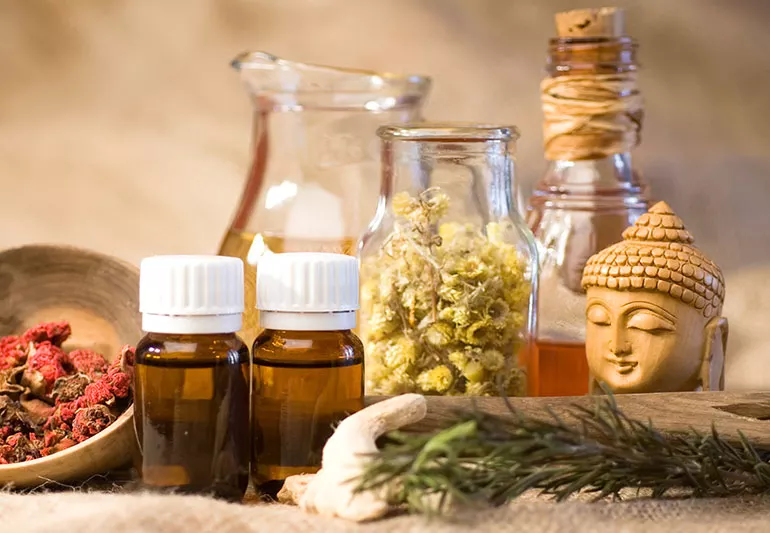
Herbal medicine systems are among the oldest healthcare practices in human history because they are based on the use of plants, minerals, and natural compounds to support healing, restore balance, and prevent disease, and unlike modern synthetic medicine that focuses on isolated chemical compounds, traditional herbal systems often treat the human body as a connected biological system where physical health, mental state, diet, and environment are all interlinked, making herbal medicine a holistic approach to understanding health and disease.
🌿 What Are Herbal Medicine Systems?
Herbal medicine systems are structured healing traditions that use plant-based materials as the primary source of treatment, and these systems developed independently in different parts of the world, especially in regions like India, China, the Middle East, Africa, and South America, where communities observed natural plant effects over centuries and built organized medical knowledge based on experience, observation, and cultural transmission.
These systems are not random remedies but structured frameworks with principles, classifications, diagnostic methods, and treatment strategies.
🪷 Ayurveda: The Science of Life
Ayurveda is one of the oldest medical systems in the world, originating in India over 3,000 years ago, and its name literally means “science of life,” and it focuses on balancing three biological energies known as doshas: Vata (movement), Pitta (metabolism), and Kapha (structure), which together regulate physical and mental health.
🌿 Key Concept of Ayurveda
Ayurveda believes that disease occurs when these doshas become imbalanced, and treatment involves restoring balance through herbal medicine, diet changes, lifestyle adjustments, detoxification methods, and mental discipline practices.
🌱 Common Ayurvedic Herbs
- Ashwagandha (stress and energy balance)
- Turmeric (anti-inflammatory properties)
- Neem (antibacterial and purification effects)
- Brahmi (memory and brain support)
Ayurveda treats the body as a self-healing system that needs alignment rather than suppression of symptoms.
🐉 Traditional Chinese Medicine (TCM)
Traditional Chinese Medicine is a healing system that developed over thousands of years in China and is based on the concept of energy flow called “Qi” (pronounced “chee”), which is believed to circulate through pathways in the body known as meridians, and when this energy flow is blocked or unbalanced, illness occurs.
🌿 Core Principles of TCM
TCM focuses on balancing two opposing forces called Yin and Yang, which represent complementary energies such as rest and activity, cold and heat, or internal and external states.
🌱 Common TCM Herbs
- Ginseng (energy and stamina support)
- Goji berries (antioxidant and immunity)
- Ginger (digestion and circulation)
- Licorice root (harmonizing herbal formulas)
TCM often combines multiple herbs into formulas designed to work synergistically rather than individually.
🌍 Other Traditional Herbal Systems
Herbal medicine is not limited to Ayurveda and TCM; many cultures developed their own systems based on local biodiversity and experience.
🌿 Unani Medicine
Originating from Greek-Arabic traditions, Unani medicine focuses on balancing bodily humors such as blood, phlegm, yellow bile, and black bile.
🌿 Indigenous Herbal Knowledge
Many indigenous communities in Africa, the Amazon, and Australia use deep ecological knowledge of plants for treating infections, wounds, fevers, and digestive issues.
These systems are often closely tied to spiritual and cultural practices.
🧪 How Herbal Medicines Work Scientifically
Modern science has discovered that many medicinal plants contain active compounds that directly affect biological systems, including:
- Alkaloids (pain relief, nervous system effects)
- Flavonoids (antioxidant properties)
- Terpenes (anti-inflammatory effects)
- Glycosides (heart and circulation effects)
These compounds interact with human biology in measurable ways, which explains why many traditional remedies have real physiological effects.
🧠 Holistic Approach vs Modern Medicine
Herbal medicine systems often focus on treating the root cause of illness rather than only symptoms, and they emphasize long-term balance, prevention, and lifestyle integration, while modern medicine tends to focus on rapid symptom control and targeted treatment using isolated chemical compounds.
Both approaches have strengths, and in modern healthcare they are often studied together in integrative medicine.
⚠️ Safety and Scientific Evaluation
Not all herbal remedies are automatically safe or effective, and dosage, preparation method, plant species, and individual health conditions all affect outcomes, which is why modern research is important for validating traditional claims, identifying side effects, and standardizing treatments.
🌱 The Future of Herbal Medicine
Herbal medicine is increasingly being studied using modern tools such as biotechnology, pharmacology, and genetic analysis, allowing scientists to isolate active compounds, improve effectiveness, and develop new drugs from traditional plants, meaning ancient healing systems are now becoming part of modern scientific innovation.
🌿 Conclusion
Herbal medicine systems represent some of the oldest and most sophisticated approaches to human health, combining natural plant knowledge with holistic understanding of the body, and whether through Ayurveda, Traditional Chinese Medicine, or indigenous healing systems, these traditions highlight the deep connection between humans and nature, showing that many modern medicines have roots in ancient botanical wisdom.
❓ FAQ
1. What is herbal medicine?
It is the use of plants and natural substances for healing and health support.
2. Is Ayurveda scientific?
It is an ancient system now being studied and partially validated by modern science.
3. What is the main idea of Traditional Chinese Medicine?
Balancing energy flow (Qi) and Yin-Yang harmony.
4. Are herbal medicines safe?
Some are safe, but proper dosage and scientific guidance are important.
5. Why are herbs important in modern medicine?
Because many modern drugs originate from plant compounds.