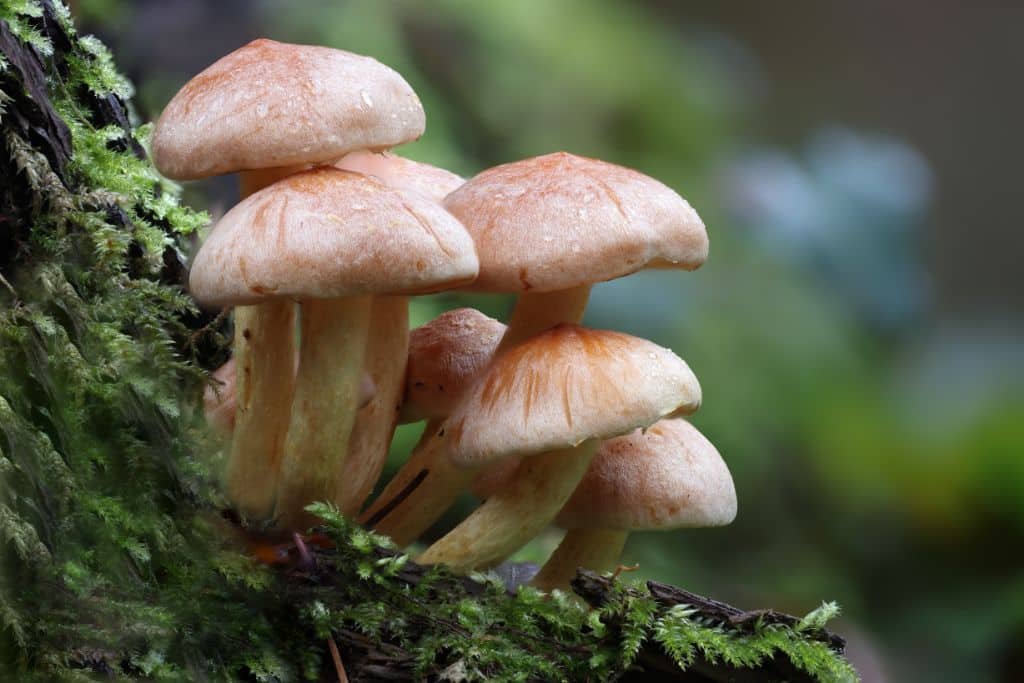
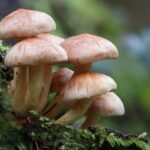





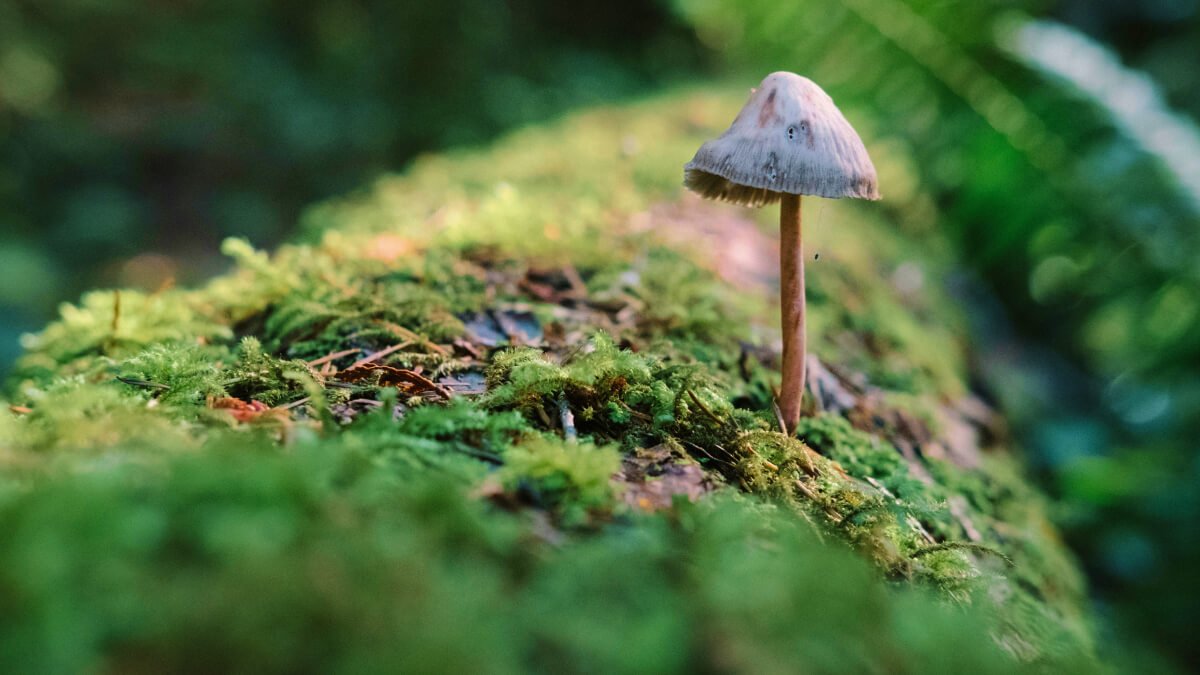
Fungi are one of the most important yet often invisible life forms on Earth because they operate as nature’s recycling system, breaking down dead organic matter and returning nutrients back into ecosystems, and unlike plants that produce their own food through photosynthesis or animals that consume other organisms, fungi exist in a unique biological category that functions as both decomposers and symbiotic partners, forming underground networks that connect entire forests and influence ecosystem health on a massive scale.
🌿 Biological Structure and Nature of Fungi
Fungi belong to their own biological kingdom called Fungi, and their body structure is very different from plants and animals because instead of roots and leaves they grow thread-like structures called hyphae that spread through soil or organic material, and these hyphae form large networks called mycelium, which can extend over vast areas underground, making fungi some of the most widespread organisms on Earth even when they are not visible on the surface.
🌱 Mycelium Networks: The “Wood Wide Web”
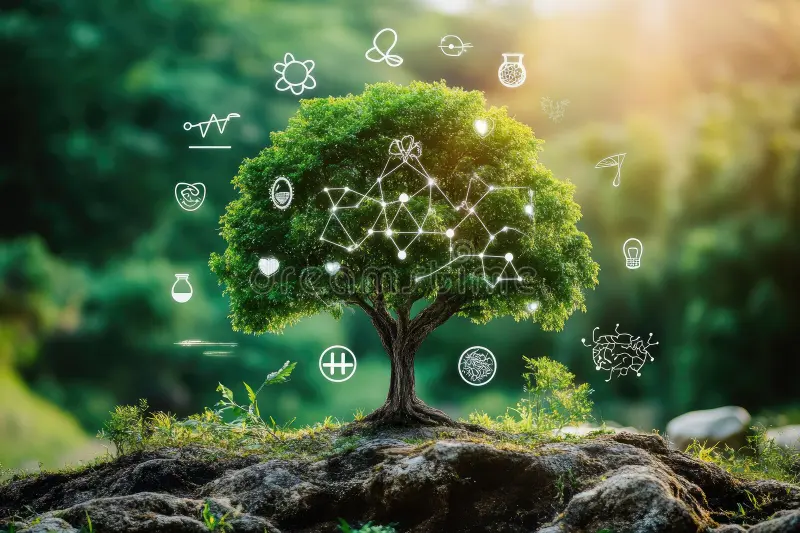
One of the most fascinating discoveries in modern ecology is the mycelial network system often referred to as the “Wood Wide Web,” where fungal networks connect tree roots and allow exchange of nutrients, water, and chemical signals between plants, and through this system trees can indirectly support each other by sharing resources, warning about pests, and maintaining ecosystem balance, showing that forests operate as interconnected communication systems rather than isolated individual organisms.
🍄 Decomposition: Nature’s Recycling System
Fungi are the primary decomposers in most ecosystems, meaning they break down dead plants, animals, and organic matter into simpler compounds that return nutrients to the soil, and this process is essential for maintaining soil fertility and supporting new plant growth, while without fungi ecosystems would become overloaded with dead material and nutrient cycles would collapse, making fungi one of the most important maintenance systems in nature.
💊 Fungi and Natural Antibiotics
Fungi are also extremely important in medicine because they produce chemical compounds that can inhibit bacterial growth, and one of the most famous examples is penicillin, which was derived from the fungus Penicillium, revolutionizing modern medicine and saving millions of lives, while many other fungal compounds are currently being studied for their potential use in antibiotics, antivirals, immune system support, and cancer research, making fungi a major source of pharmaceutical discovery.
🌍 Ecological Importance of Fungi
Fungi play essential roles in ecosystems by recycling nutrients, forming symbiotic relationships with plants, and maintaining soil structure, and many plants rely on fungi through a relationship called mycorrhiza, where fungal networks attach to plant roots and help absorb water and minerals more efficiently, creating a mutual survival system that increases plant growth and ecosystem stability.
🧠 Intelligence-Like Behavior in Fungal Networks
Although fungi do not have brains or nervous systems, their growth patterns show complex adaptive behavior because mycelium networks respond to environmental changes, optimize nutrient flow, and expand strategically toward food sources, leading some scientists to describe fungal networks as biological information-processing systems that behave in ways similar to decentralized intelligence.
⚠️ Toxic and Poisonous Fungi
Not all fungi are beneficial, and some species produce toxic compounds that can be harmful or even deadly to humans and animals, and these toxins often serve as defense mechanisms to prevent being eaten, which is why proper identification of wild mushrooms is extremely important, as some edible-looking species closely resemble highly poisonous ones.
🧬 Evolutionary Importance of Fungi
Fungi evolved hundreds of millions of years ago and played a key role in shaping early terrestrial ecosystems by helping plants colonize land through symbiotic relationships, and their ability to decompose organic matter and recycle nutrients has made them essential for life on Earth, influencing plant evolution, soil formation, and ecosystem development over geological time.
🌿 Fungi in Food and Human Life
Humans use fungi in many ways including food production such as mushrooms, yeast for bread and fermentation, and cheese production, while fungi also contribute to biotechnology, pharmaceuticals, and agriculture, making them one of the most economically and scientifically valuable biological kingdoms.
🌱 Conclusion
Fungi are far more than mushrooms or decomposers because they represent a hidden biological infrastructure that connects ecosystems, recycles nutrients, supports plant life, and contributes to medical breakthroughs, and their underground networks function as one of the most important support systems in nature, making fungi essential for both ecological balance and human survival.
❓ FAQ
1. What are fungi?
A separate kingdom of life that includes mushrooms, molds, and yeasts.
2. What is mycelium?
The underground network of fungal threads that spreads through soil.
3. Why are fungi important in ecosystems?
They recycle nutrients and support plant growth.
4. Is penicillin from fungi?
Yes, it comes from the fungus Penicillium.
5. Are all fungi safe?
No, some fungi are toxic and can be dangerous.