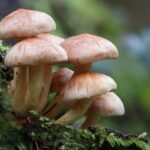





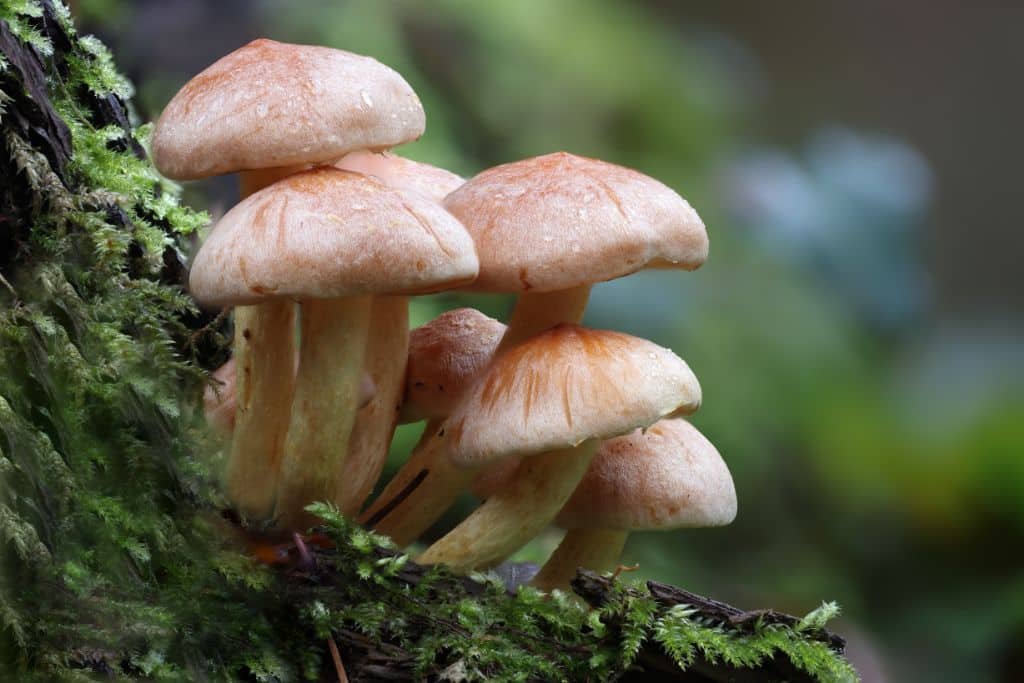
Fungi represent one of the most essential yet often overlooked kingdoms of life. They are neither plants nor animals, but a completely separate group of organisms with unique biological functions that are critical for ecosystem stability. Fungi include mushrooms, molds, yeasts, and vast underground networks that span entire forests.
Unlike plants, fungi do not produce their own food through photosynthesis. Instead, they absorb nutrients from organic matter, making them the primary decomposers in nearly all terrestrial ecosystems. Without fungi, dead biological material would accumulate endlessly, and nutrient cycling would collapse, making life on Earth unsustainable.
Fungi also form complex symbiotic relationships with plants, animals, and microorganisms, creating hidden networks that influence soil health, forest growth, and even plant communication.
Fungal Structure and Basic Biology
Fungi have a unique cellular organization that sets them apart from other life forms.
Hyphae and Mycelium
The main body of most fungi consists of:
- Hyphae (thin thread-like filaments)
- Mycelium (interconnected network of hyphae)
Mycelium spreads through soil, wood, and organic matter, forming massive underground systems.
Cell Wall Composition
Fungal cell walls are made of:
- Chitin (same material found in insect exoskeletons)
This provides strength and flexibility.
Absorptive Nutrition
Fungi digest food externally:
- Release enzymes into environment
- Break down organic matter
- Absorb nutrients directly
Decomposition and Nutrient Recycling
Fungi are the primary decomposers in ecosystems.
Breakdown of Organic Matter
Fungi decompose:
- Dead plants
- Dead animals
- Organic waste
They convert complex organic material into simpler compounds.
Nutrient Release
During decomposition, fungi release:
- Nitrogen
- Phosphorus
- Carbon compounds
These nutrients return to the soil for reuse by plants.
Ecosystem Recycling Role
Without fungi:
- Dead matter would accumulate
- Soil fertility would decline
- Ecosystems would collapse
Mycelium Networks and Underground Communication
Fungal networks extend far beneath the soil.
Mycelial Expansion
Mycelium can spread:
- Over large underground areas
- Connecting multiple plant roots
Some networks span entire forests.
Nutrient Exchange
Through mycelium:
- Nutrients move between plants
- Resources are redistributed based on need
This creates a shared underground system.
Plant-Fungal Cooperation
Trees often rely on fungi for:
- Water absorption
- Mineral uptake
- Stress resistance
Mycorrhizal Symbiosis
One of the most important fungal relationships is with plant roots.
Mutual Exchange System
In this symbiosis:
- Fungi provide minerals and water
- Plants provide sugars from photosynthesis
Types of Mycorrhizae
- Ectomycorrhizae (external root coating)
- Endomycorrhizae (internal root penetration)
Forest Stability Impact
This relationship improves:
- Tree survival rates
- Forest resilience
- Soil structure stability
Fungal Reproduction and Spore Systems
Fungi reproduce using microscopic spores.
Spore Production
Spores are:
- Lightweight reproductive cells
- Easily dispersed by wind, water, or animals
Asexual Reproduction
Many fungi reproduce by:
- Fragmentation of hyphae
- Budding (in yeasts)
Sexual Reproduction
Some fungi combine genetic material:
- Producing diverse offspring
- Increasing adaptability
Fungi as Chemical Engineers of Nature
Fungi produce a wide range of biochemical compounds.
Enzyme Production
Fungi release enzymes that:
- Break down cellulose
- Digest lignin (wood material)
- Decompose tough organic structures
Antibiotic Production
Some fungi produce natural antibiotics:
- Penicillin is derived from fungi
- Used in medicine to kill bacteria
Toxic Compounds
Certain fungi produce toxins:
- As defense mechanisms
- To compete with other organisms
Fungi and Soil Ecosystem Health
Fungi are essential for maintaining healthy soil systems.
Soil Structure Improvement
Mycelium helps:
- Bind soil particles together
- Improve water retention
- Prevent erosion
Nutrient Cycling Efficiency
Fungi accelerate:
- Organic matter breakdown
- Nutrient availability for plants
Microbial Balance
Fungi regulate:
- Bacterial populations
- Soil microbial diversity
Lichens: Fungal Partnerships with Algae
Lichens are symbiotic organisms formed by fungi and algae.
Symbiotic Structure
- Fungi provide structure and protection
- Algae provide energy through photosynthesis
Survival in Extreme Environments
Lichens can survive:
- Rocks
- Extreme cold
- Dry environments
They are often pioneer species in ecosystem formation.
Fungi in Human Life and Industry
Fungi have major applications in human society.
Food Production
Fungi are used in:
- Bread fermentation (yeast)
- Cheese production
- Mushroom cultivation
Medicine
Fungi contribute to:
- Antibiotics
- Immunosuppressants
- Cholesterol-lowering drugs
Biotechnology
Fungi are used in:
- Enzyme production
- Biofuel research
- Waste decomposition systems
Fungal Pathogens and Disease Systems
Some fungi can cause diseases.
Plant Diseases
Fungi can infect:
- Crops
- Trees
- Agricultural systems
Human Infections
Certain fungi cause:
- Skin infections
- Respiratory illnesses
- Systemic diseases in immunocompromised individuals
Fungi and Environmental Balance
Fungi regulate ecosystem equilibrium.
Carbon Cycling Role
Fungi help:
- Release carbon from dead matter
- Maintain atmospheric carbon balance
Forest Regeneration
After disturbances:
- Fungi help rebuild soil health
- Support plant regrowth
Ecosystem Stability
Fungi ensure:
- Continuous nutrient flow
- Balanced decomposition rates
Evolution and Diversity of Fungi
Fungi are ancient organisms with diverse forms.
Evolutionary Origin
Fungi evolved:
- Over a billion years ago
- Alongside early land ecosystems
Diversity
Fungi include:
- Mushrooms
- Molds
- Yeasts
- Microscopic decomposers
Each plays a different ecological role.
Conclusion
Fungi are foundational organisms in nearly every ecosystem, acting as decomposers, nutrient recyclers, and symbiotic partners that sustain life on land. Through their vast underground networks and chemical processes, they regulate soil health, support plant growth, and maintain ecological balance.
Although often invisible, fungi form one of the most important biological systems on Earth, ensuring continuous nutrient cycling and ecosystem stability. Their role in decomposition and symbiosis makes them essential for life’s long-term sustainability.