






Soil ecosystems are one of the most complex and least visible biological systems on Earth because beneath every forest, field, and grassland exists an active underground world filled with microbes, fungi, insects, organic matter, and chemical processes that continuously recycle nutrients and support all terrestrial life, and unlike surface ecosystems that are easy to observe, soil ecosystems function as hidden biological engines that control plant growth, ecosystem productivity, and long-term environmental stability.
🌱 What Is a Soil Ecosystem?
A soil ecosystem is the living layer of Earth composed of mineral particles, organic matter, water, air, and an enormous diversity of living organisms, and this system functions as a dynamic environment where biological, chemical, and physical processes interact constantly to break down organic material, store nutrients, and support plant life, making soil not just “dirt” but a living system essential for all land-based ecosystems.
🦠 Microorganisms: The Invisible Workforce of Soil
The most important components of soil ecosystems are microorganisms such as bacteria, fungi, protozoa, and archaea, which exist in extremely high numbers and perform essential functions like decomposing organic matter, cycling nutrients, and supporting plant growth, and although they are invisible to the naked eye, these microbes control many of the biological processes that keep ecosystems functioning.
Soil bacteria break down organic compounds, fungi form symbiotic networks with plants, and protozoa regulate microbial populations, creating a balanced underground ecosystem.
🌿 Nutrient Cycling: Nature’s Recycling System
Soil ecosystems are responsible for nutrient cycling, which is the process of converting dead organic matter into usable nutrients like nitrogen, phosphorus, potassium, and carbon compounds that plants need to grow, and this cycle ensures that nutrients are continuously reused instead of being lost, making soil one of the most efficient natural recycling systems on Earth.
Without nutrient cycling, plants would not receive essential minerals, and ecosystems would collapse over time.
🍄 Role of Fungi and Mycorrhizal Networks
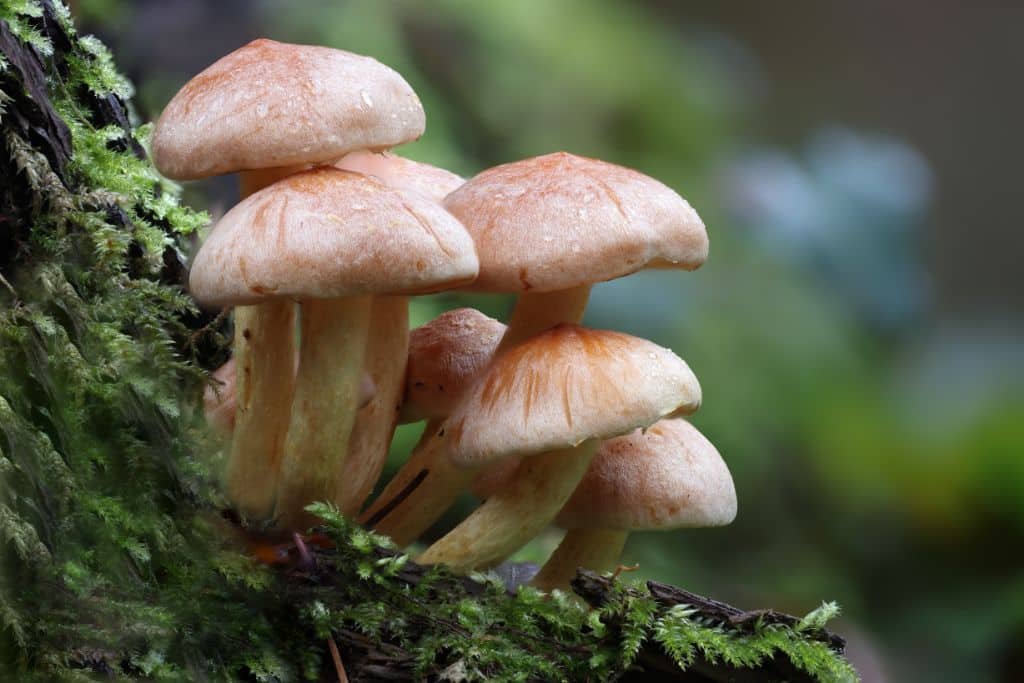
Fungi in soil form symbiotic relationships with plant roots through structures called mycorrhizae, where fungal networks attach to roots and extend far into the soil, increasing the plant’s ability to absorb water and nutrients, while in return the plant provides sugars to the fungi, creating a mutually beneficial system that supports plant survival and ecosystem stability.
These fungal networks also connect multiple plants, allowing indirect communication and resource sharing.
🪱 Soil Animals and Physical Ecosystem Engineers
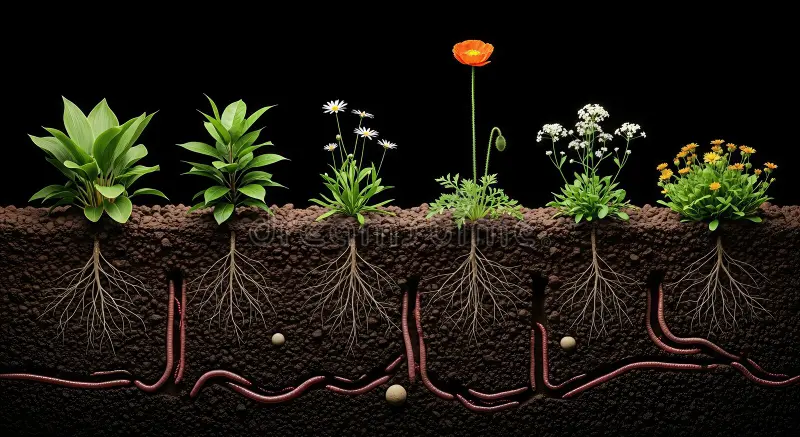
Soil is also home to a wide variety of animals such as earthworms, ants, beetles, nematodes, and larvae, which physically modify the soil structure by burrowing, mixing organic matter, and creating air channels that improve water infiltration and root growth, and earthworms in particular are considered “ecosystem engineers” because they transform soil quality through continuous movement and digestion of organic material.
🌍 Soil Structure and Composition
Healthy soil is composed of mineral particles (sand, silt, clay), organic matter (decayed plants and animals), water, air, and living organisms, and the balance between these components determines soil fertility, water retention, and plant productivity, while soil texture and structure influence how easily roots grow and how nutrients are stored and transported.
🌱 How Soil Supports Plant Life
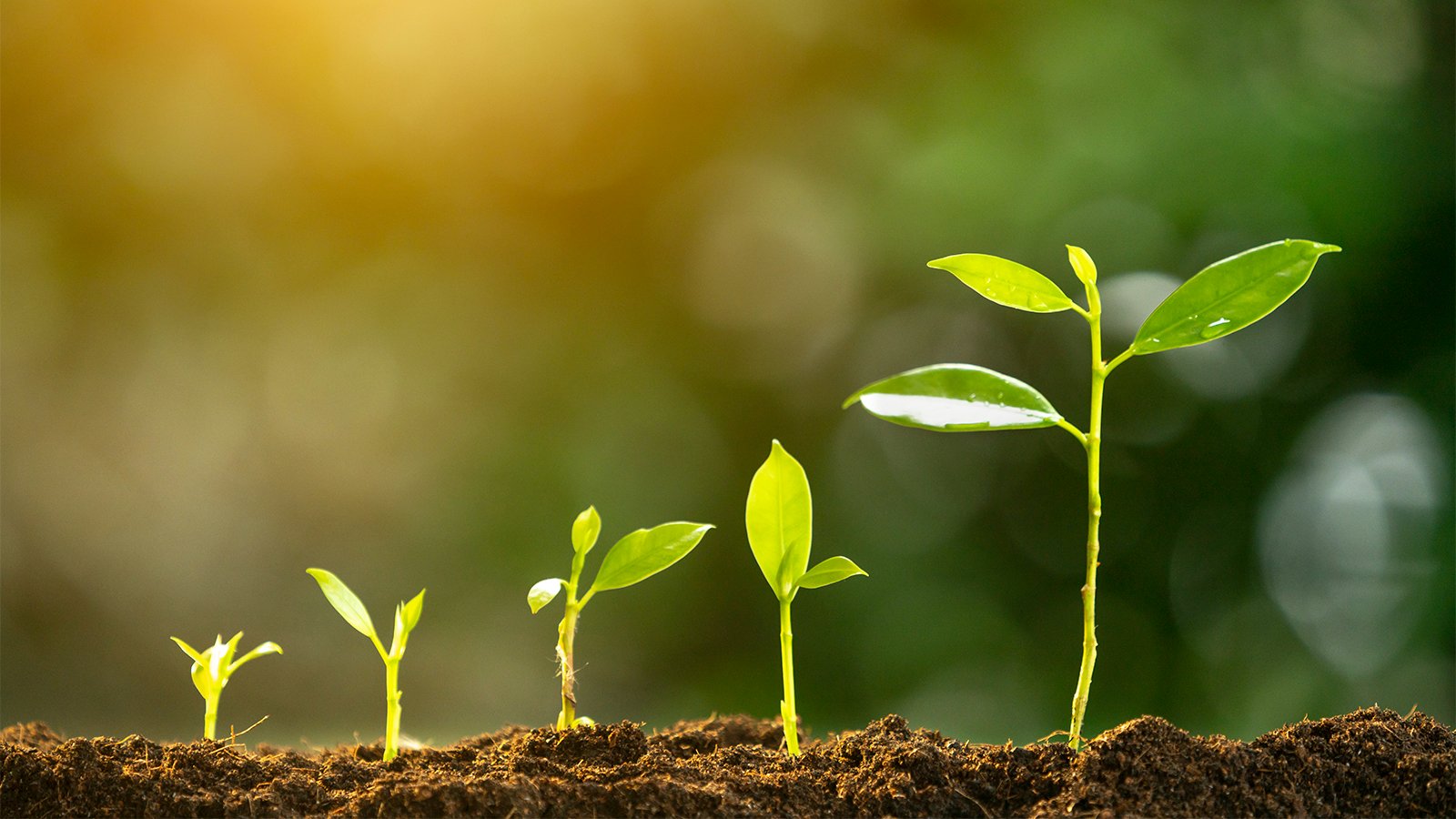
Plants depend on soil for anchorage, water supply, and nutrient absorption, and through root systems they interact directly with soil microbes and fungi that help them access nutrients that would otherwise be unavailable, making soil not just a physical support system but a biological partner in plant survival and growth.
🌡️ Soil and Climate Regulation
Soil ecosystems play an important role in regulating Earth’s climate because they store large amounts of carbon in organic matter, and when soil is healthy it acts as a carbon sink that reduces atmospheric carbon dioxide, but when soil is damaged or deforested, carbon is released back into the atmosphere, contributing to climate change.
⚠️ Threats to Soil Ecosystems
Soil ecosystems are under serious threat due to deforestation, industrial agriculture, chemical fertilizers, pesticide use, erosion, and urban development, and when soil becomes degraded it loses fertility, microbial diversity, and structural stability, leading to reduced crop productivity and ecosystem collapse over time.
🧬 Scientific Importance of Soil Research
Soil is a major focus of scientific research because it contains billions of microorganisms that are still not fully understood, and researchers study soil biology to improve agriculture, discover new antibiotics, enhance carbon storage, and develop sustainable farming systems that protect long-term environmental health.
🌱 Conclusion
Soil ecosystems are far more than the ground beneath our feet because they represent one of the most important life-support systems on Earth, combining microbial activity, nutrient recycling, plant interaction, and climate regulation into a hidden but powerful biological network that sustains all terrestrial life, making soil one of the most essential and complex ecosystems in nature.
❓ FAQ
1. What is soil made of?
Minerals, organic matter, water, air, and living organisms.
2. Why are microbes important in soil?
They decompose matter and recycle nutrients.
3. What is mycorrhiza?
A fungal network that helps plants absorb nutrients.
4. How does soil affect climate?
It stores carbon and helps regulate CO₂ levels.
5. Why is soil important for plants?
It provides nutrients, water, and physical support.