






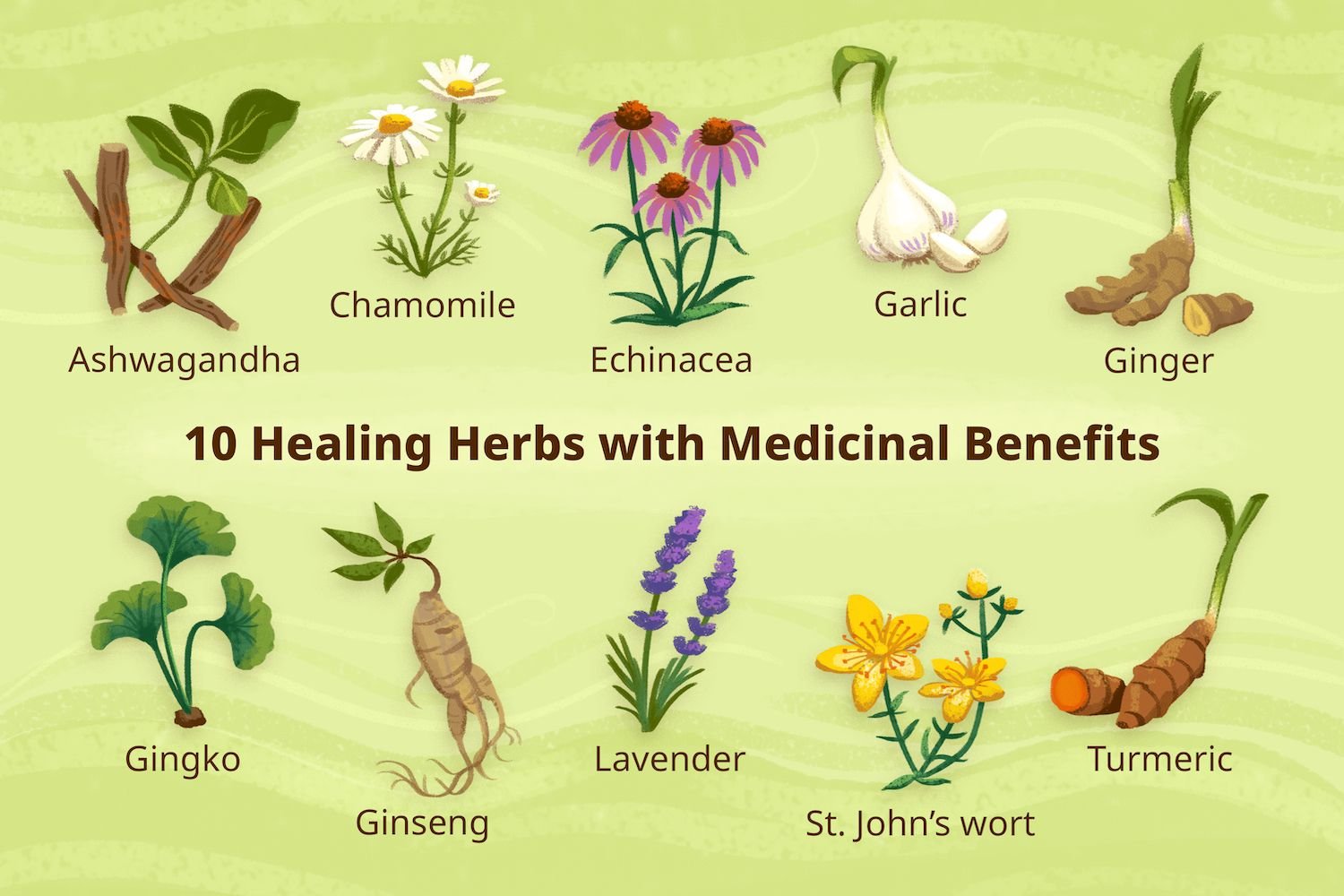
Plants are often seen as passive organisms, but in reality they are highly active chemical factories that produce thousands of compounds to defend themselves, compete with other species, and survive in harsh environments, and these same chemicals can be either toxic or medicinal depending on dosage, preparation, and biological interaction, making plants one of the most paradoxical systems in nature where the same species can both heal and harm living organisms.
🌱 Why Plants Produce Chemicals (Survival Strategy)
Plants cannot run, hide, or physically defend themselves like animals, so over millions of years they evolved chemical defense systems that allow them to survive herbivores, insects, fungi, and environmental stress, and these chemical compounds act as natural pesticides, growth inhibitors, toxins, or deterrents, ensuring that only specific organisms interact with them in nature.
These survival chemicals are called secondary metabolites, and they form the foundation of both poisonous and medicinal plant properties.
☠️ Poisonous Plants: Nature’s Defense Weapons
Poisonous plants produce chemicals that can disrupt biological systems in animals and humans, affecting nerves, heart function, digestion, or cellular processes, and these toxins are not “evil” but rather survival mechanisms designed to prevent being eaten or damaged.
🌿 Examples of Poisonous Plants
- Hemlock – affects nervous system and respiration
- Oleander – toxic to heart function
- Belladonna (Deadly Nightshade) – affects nervous system and vision
- Castor Plant (Ricin source) – extremely toxic proteins
These plants demonstrate how powerful natural chemical defenses can be when concentrated or improperly handled.
💊 Medicinal Plants: Healing Through Chemistry
Many plants that are toxic in high doses become medicinal in controlled amounts because their chemical compounds can interact with human biological systems in beneficial ways, and this is why plant-based medicine has been central to healthcare systems for thousands of years.
🌿 Examples of Medicinal Plants
- Aloe Vera – skin healing and hydration
- Turmeric – anti-inflammatory properties
- Willow Bark – natural pain relief (aspirin origin)
- Digitalis (Foxglove) – heart medicine in controlled doses
These plants show that biological effects depend heavily on dosage and application.
⚖️ The Thin Line Between Poison and Medicine
One of the most important principles in pharmacology is that the difference between poison and medicine is often dosage, because many compounds that are toxic at high levels can become therapeutic at controlled levels, and this concept is known as the “dose-response relationship,” which is fundamental in modern drug development.
For example, digitalis is deadly in large amounts but life-saving in small, controlled doses for heart conditions.
🧪 Plant Chemical Compounds and Their Effects
Plants produce different types of bioactive chemicals that interact with living organisms in specific ways:
🌿 Alkaloids
Affect the nervous system (stimulation or sedation)
🌿 Glycosides
Influence heart function and metabolism
🌿 Terpenoids
Anti-inflammatory and antimicrobial effects
🌿 Flavonoids
Strong antioxidants that protect cells
These compounds are the reason plants play such a major role in medicine and toxicology.
🌍 Ecological Role of Toxic Plants
Poisonous plants are essential for maintaining ecological balance because they control herbivore populations, protect plant species diversity, and reduce overgrazing pressure, ensuring that ecosystems remain stable and not dominated by a single species.
In many cases, plant toxicity shapes entire food chains and animal feeding behaviors.
🧠 Evolutionary Intelligence in Plants
Although plants do not have brains, their chemical defense systems show highly advanced evolutionary adaptation because they respond dynamically to environmental threats, sometimes increasing toxin production when under attack, and even communicating through airborne chemical signals to warn nearby plants of danger.
This makes plant survival strategies highly complex and responsive.
💊 From Nature to Modern Medicine
Many modern pharmaceuticals are derived from plant compounds, and scientists often study toxic plants to isolate useful molecules for drug development, especially in areas such as pain relief, cancer treatment, heart medicine, and infection control, showing that toxic biology can be transformed into life-saving medicine through scientific understanding.
⚠️ Human Risks and Misuse
Misidentifying plants or using them without proper knowledge can be extremely dangerous, as many toxic plants closely resemble edible or medicinal ones, and incorrect dosage or preparation can lead to serious poisoning, which is why traditional knowledge and scientific validation are both important for safe use.
🌿 Conclusion
Poisonous and medicinal plants represent two sides of the same biological system, where survival chemistry creates both danger and healing potential, and understanding this balance reveals how nature designs powerful compounds that shape ecosystems, influence medicine, and demonstrate that life on Earth is deeply interconnected through chemical intelligence.
❓ FAQ
1. Why do plants produce poison?
To defend themselves from herbivores and environmental threats.
2. Can poisonous plants be medicinal?
Yes, in controlled and scientific doses.
3. What is the difference between poison and medicine?
Mostly dosage and method of use.
4. Are all plants safe?
No, many plants are toxic or harmful.
5. Why are plants important in medicine?
Because they contain bioactive compounds used in drugs.