

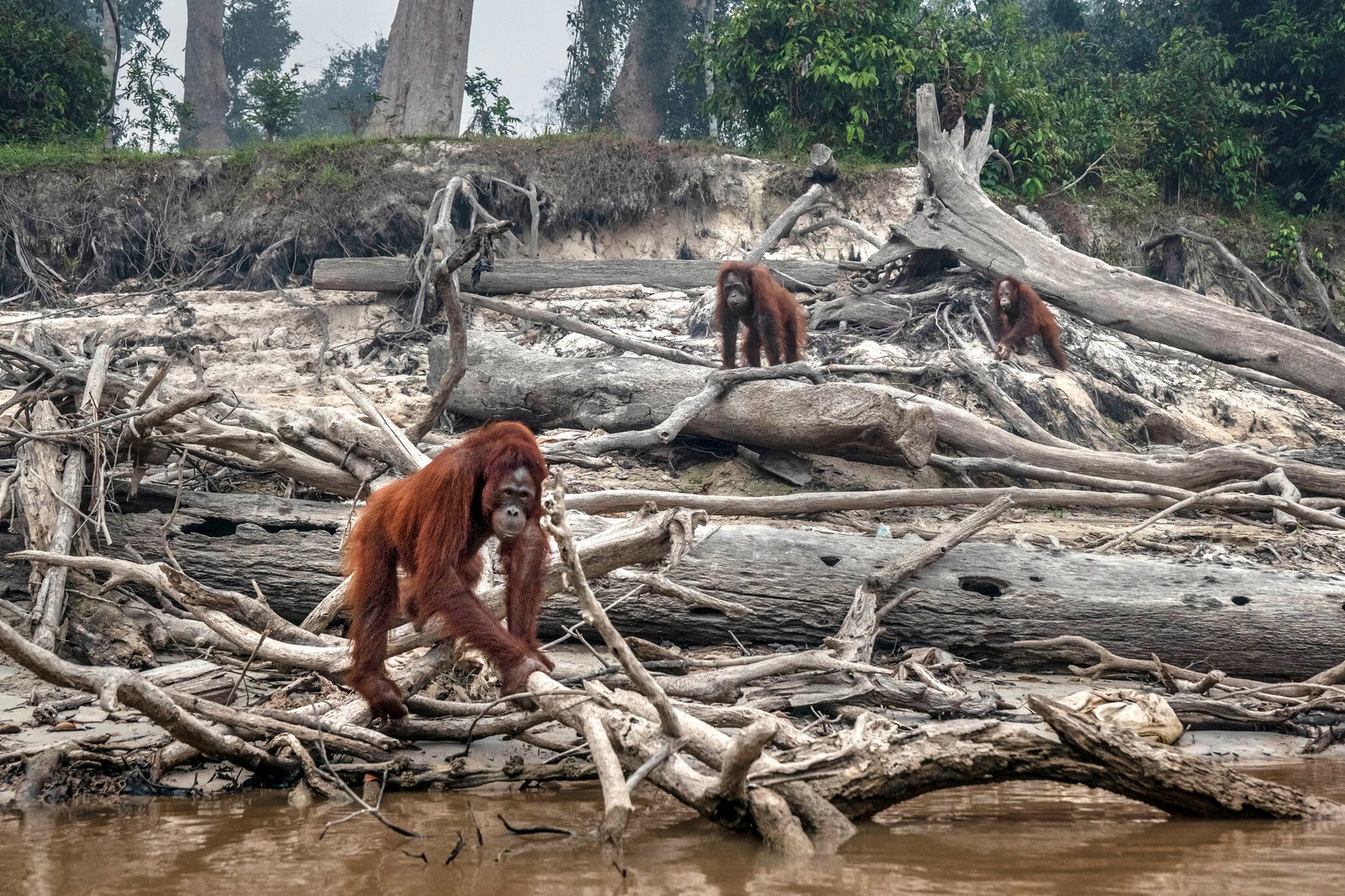
Human activity has become one of the strongest forces shaping Earth’s ecosystems because industrial development, agriculture expansion, urbanization, and resource extraction have fundamentally changed natural landscapes at a global scale, and unlike slow natural ecological changes that occur over thousands of years, human-driven changes often happen within decades, giving ecosystems very little time to adapt, which leads to habitat destruction, species loss, and long-term environmental instability.
🌿 How Ecosystems Normally Function
Ecosystems are self-regulating systems where plants, animals, microorganisms, soil, water, and climate interact in a balanced cycle, and energy flows from sunlight to plants and then through food chains to herbivores and predators, while decomposers recycle nutrients back into the soil, creating a continuous loop of life that maintains stability over long periods when undisturbed.
🌳 Deforestation: Breaking Natural Life Systems
Deforestation is one of the most destructive human impacts on ecosystems because it removes entire forest habitats, disrupts biodiversity, and breaks ecological networks that took millions of years to develop, and when forests are cleared for agriculture, logging, or urban development, countless species lose their habitat, food sources, and breeding grounds.
🌿 Major Effects of Deforestation
- Loss of biodiversity and species extinction
- Soil erosion and reduced fertility
- Disruption of rainfall patterns
- Increased carbon dioxide levels
Forests also play a key role in regulating oxygen and carbon cycles, so their destruction affects global climate systems.
🌡️ Climate Change: A Global System Shift
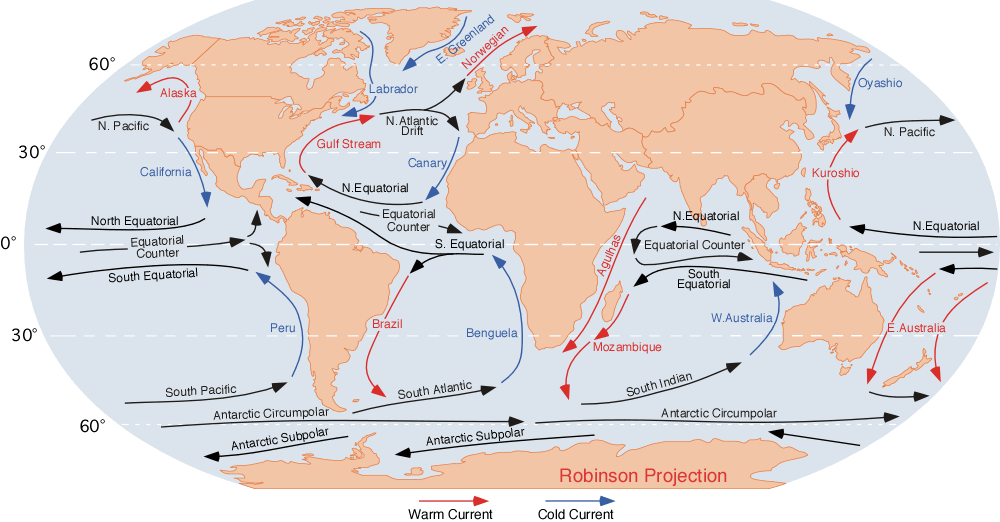
Climate change is driven mainly by increased greenhouse gas emissions from human activities such as burning fossil fuels, industrial production, and deforestation, and these gases trap heat in the atmosphere, leading to rising global temperatures, changing weather patterns, melting glaciers, and rising sea levels.
🌍 Ecological Effects of Climate Change
- Habitat shifts for animals and plants
- Coral reef bleaching in oceans
- Increased frequency of extreme weather events
- Disruption of migration and breeding cycles
Climate change affects not just individual species but entire ecosystems at once.
🐾 Biodiversity Loss: Silent Collapse of Life Systems
Biodiversity refers to the variety of life forms in an ecosystem, and when biodiversity declines, ecosystems become unstable and less resilient to environmental changes, making them more vulnerable to collapse, disease spread, and food chain disruption.
Human activity has accelerated species extinction rates far beyond natural levels, leading to what scientists call the “sixth mass extinction.”
🌊 Pollution: Chemical Disruption of Nature
Pollution from plastic waste, industrial chemicals, oil spills, and agricultural runoff affects air, water, and soil ecosystems, and these pollutants can enter food chains, accumulate in organisms, and cause long-term health effects in wildlife and humans.
🌿 Types of Pollution Impacting Ecosystems
- Air pollution (climate and respiratory effects)
- Water pollution (marine ecosystem damage)
- Soil pollution (loss of fertility and microbes)
- Plastic pollution (marine life ingestion and entanglement)
🐘 Habitat Fragmentation: Breaking Ecosystem Connections
When large natural habitats are divided into smaller sections due to roads, cities, or farmland, animals lose migration routes and genetic diversity decreases, which weakens populations over time and increases the risk of extinction, especially for large species like elephants, tigers, and bears that require wide territories.
🧠 Ecosystem Imbalance and Chain Reactions
Ecosystems are interconnected, so when one species is removed or reduced, it can trigger a chain reaction affecting multiple other species, and this is known as a trophic cascade, where changes at one level of the food chain affect all other levels, sometimes leading to unexpected ecosystem collapse.
🌱 Positive Human Actions and Restoration Efforts
Despite large-scale environmental damage, humans also have the ability to restore ecosystems through reforestation, conservation programs, protected areas, wildlife corridors, and sustainable agriculture practices, and these efforts can help ecosystems recover over time if properly managed and supported.
🌿 Restoration Strategies
- Tree planting and forest regeneration
- Wildlife conservation programs
- Reduction of carbon emissions
- Sustainable farming practices
🧬 Why Ecosystem Protection Matters
Healthy ecosystems provide essential services such as clean air, fresh water, food production, climate regulation, and medicinal resources, and without stable ecosystems human survival itself becomes increasingly vulnerable, showing that environmental health and human health are deeply interconnected systems.
🌍 Conclusion
Human impact on ecosystems is one of the most important environmental challenges of the modern world because it affects biodiversity, climate stability, and long-term planetary health, but at the same time it also presents an opportunity for restoration and sustainable development, meaning the future of Earth’s ecosystems depends on the balance between human progress and environmental responsibility.
❓ FAQ
1. What is the biggest human impact on ecosystems?
Deforestation and habitat destruction.
2. How does climate change affect animals?
It changes habitats, food availability, and migration patterns.
3. What is biodiversity loss?
The reduction in variety of living species in an ecosystem.
4. Can ecosystems recover?
Yes, with conservation and restoration efforts.
5. Why are ecosystems important?
They provide air, water, food, and climate stability.