




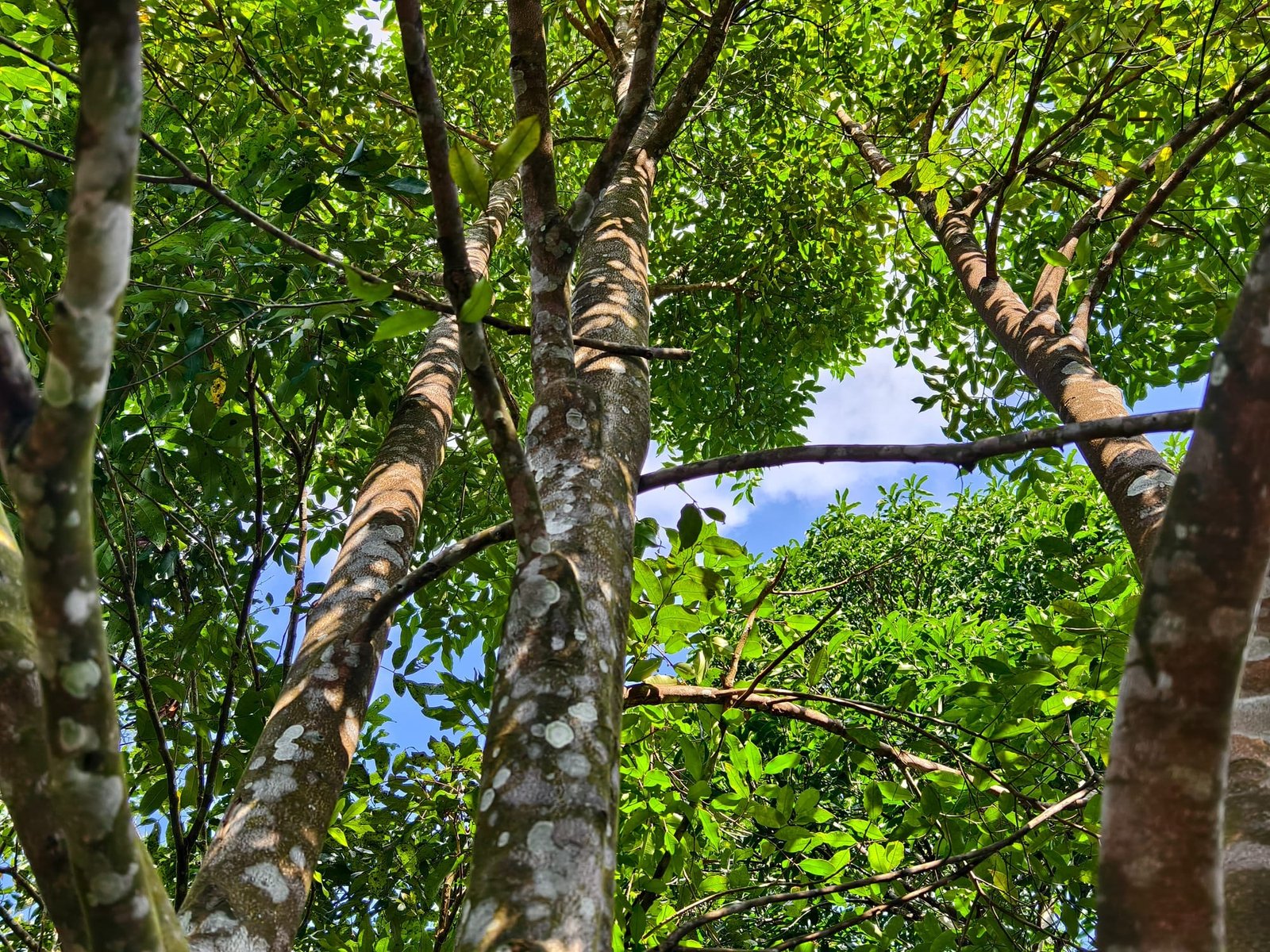
Forests are not just collections of trees; they are some of the most complex living systems on Earth, containing millions of species interacting in hidden biological networks, and among their most valuable contributions to human life is the existence of medicinal plants that have been used for thousands of years to treat diseases, heal injuries, and support human health, forming the foundation of both traditional medicine systems and modern pharmaceutical research.
🌿 Forest Ecosystems: The Living Medical Reservoir of Earth
Forests function as massive biological libraries where every plant species contains unique chemical compounds developed through evolution for survival, defense, and reproduction, and many of these compounds have direct medicinal effects on the human body, meaning forests are not only ecological systems but also natural chemical laboratories producing molecules that can influence pain, immunity, infection, inflammation, and cellular repair.
Tropical rainforests alone are estimated to contain the majority of Earth’s plant biodiversity, yet a large portion of these plants are still scientifically unstudied, meaning the potential for discovering new medicines remains extremely high, especially for diseases that are currently difficult to treat.
🌱 How Medicinal Plants Work in Nature and Human Medicine
Medicinal plants produce chemical substances called phytochemicals, which serve as defense mechanisms against insects, fungi, and environmental stress, and when humans use these plants, those same chemicals interact with biological systems such as the nervous system, immune system, and digestive system to produce therapeutic effects.
These compounds include alkaloids, flavonoids, terpenes, glycosides, and tannins, each having specific biological functions such as pain relief, antibacterial action, antioxidant protection, and anti-inflammatory effects, making plants powerful natural sources of pharmacological activity.
💊 Key Medicinal Plants Found in Forests
Many of the world’s most important medicines originate from forest plants, including species used in both traditional and modern healthcare systems.
🌿 Cinchona Tree (Quinine Source)
The bark of the cinchona tree contains quinine, a compound historically used to treat malaria, and it remains one of the earliest examples of plant-based medicine transforming global healthcare.
🌳 Willow Tree (Natural Aspirin Source)
Willow bark contains salicin, which inspired the development of aspirin, one of the most widely used pain-relief medications in the world today.
🌿 Neem Tree (Antibacterial Power)
Neem leaves, bark, and oil contain strong antimicrobial compounds that help fight bacteria, fungi, and inflammation, making it widely used in traditional medicine systems.
🌱 Aloe Vera (Healing and Skin Repair)
Aloe vera gel is known for its soothing and regenerative properties, especially for burns, wounds, and skin irritation.
🌿 Turmeric Plant (Anti-inflammatory Science)
Turmeric contains curcumin, a compound widely studied for its anti-inflammatory and antioxidant effects in modern medical research.
🧠 Why Forest Plants Are So Chemically Powerful
Plants in forests face constant survival pressure from insects, animals, fungi, and climate conditions, so they evolve complex chemical defenses to survive, and these same survival chemicals often affect human biological systems in beneficial ways.
This is why many modern drugs are either directly extracted from plants or inspired by plant chemistry, as nature has already spent millions of years “testing” these compounds through evolution.
🌍 Importance of Forest Conservation for Medicine
Destroying forests means losing not only trees but also unknown medicinal resources that could potentially cure future diseases, and scientists warn that deforestation may eliminate plant species before they are even discovered or studied.
Conserving forests therefore has a direct impact on future medical innovation, drug discovery, and global health security, making biodiversity protection essential for both environmental and human survival.
⚠️ Traditional Knowledge vs Modern Science
For thousands of years, indigenous communities have used forest plants for healing based on observation and experience, and modern pharmacology is now scientifically validating many of these traditional uses, showing that ancient knowledge systems often contain valuable biological insights.
However, not all plant-based treatments are automatically safe or effective, which is why modern science focuses on isolating active compounds, testing dosage, and understanding side effects before medical use.
🧬 Future of Forest Medicine
The future of medicine is increasingly connected to forest biodiversity, as researchers explore plant compounds for cancer treatment, antibiotic resistance solutions, neurological disorders, and immune system regulation, and with advanced technology like genetic sequencing and bioinformatics, scientists can now identify medicinal potential faster than ever before.
This means forests may hold solutions to diseases that are currently considered untreatable.
🌲 Conclusion
Forests are not just natural landscapes—they are living pharmaceutical systems containing millions of biochemical compounds that have shaped both traditional healing practices and modern medicine, and protecting these ecosystems is not only an environmental responsibility but also a medical necessity for future generations, as the next major medical breakthrough could already exist inside an undiscovered forest plant.
❓ FAQ
1. Why are forests important for medicine?
Because they contain thousands of plants with medicinal chemical compounds.
2. What are phytochemicals?
Natural chemicals produced by plants that can affect human health.
3. Which forest plant gave us aspirin?
The willow tree.
4. Can forest plants cure diseases?
Many are used in medicines, but they must be scientifically tested.
5. Why is forest conservation important for health?
Because undiscovered plants may contain future life-saving medicines.