








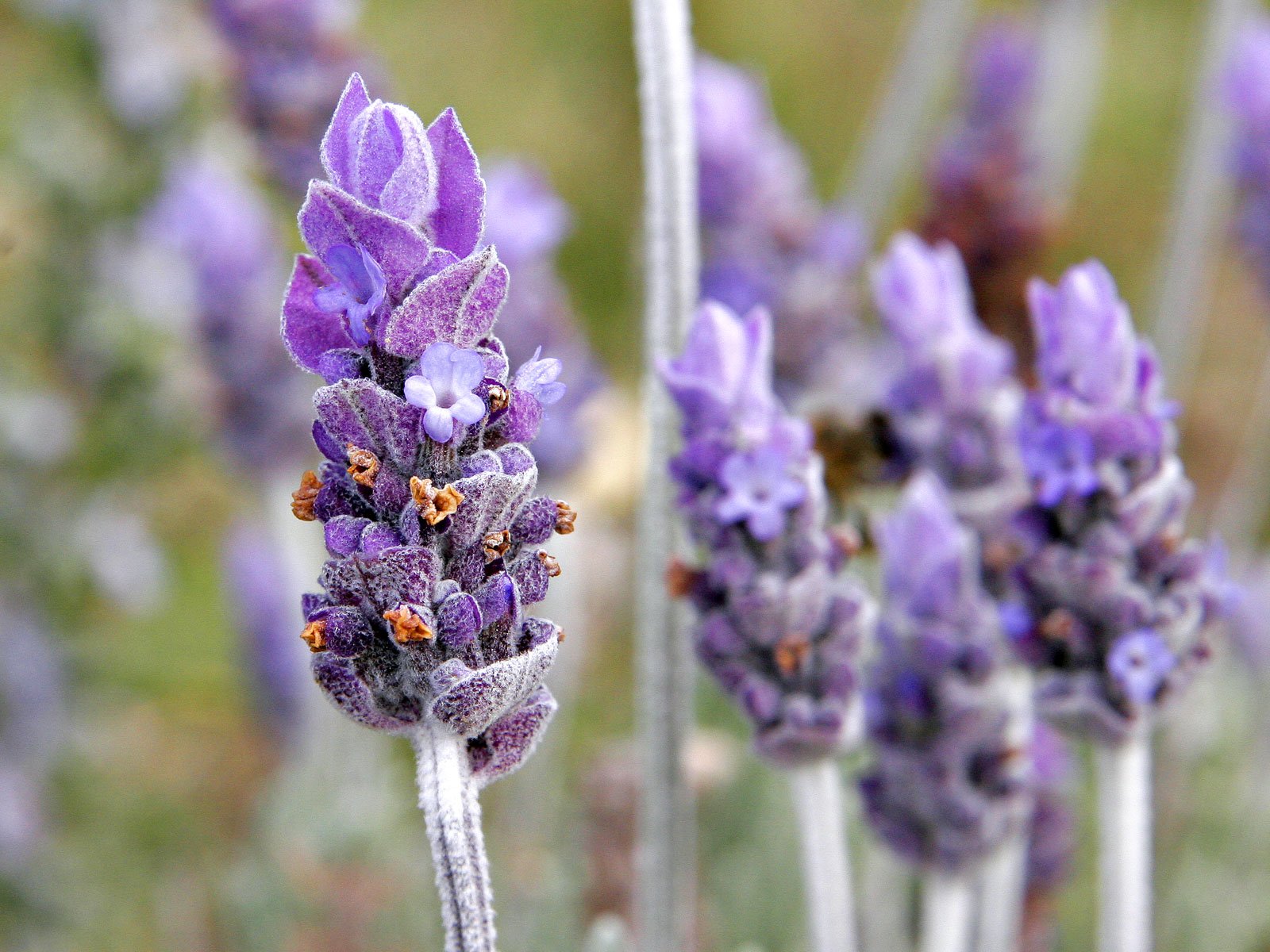
The Lavender is one of the most widely recognized medicinal flowers in natural healing traditions. Known for its calming fragrance and vibrant purple blossoms, lavender has been used for centuries to promote relaxation, improve sleep, relieve stress, and support overall wellness. Its therapeutic value comes from its essential oils, antioxidants, and anti-inflammatory compounds.
Lavender contains active compounds such as linalool and linalyl acetate. These natural chemicals interact with the nervous system to produce calming effects. Scientific studies suggest that lavender can reduce anxiety levels and improve emotional balance by influencing neurotransmitter activity in the brain.
One of the most common medical uses of lavender is for stress and anxiety relief. Aromatherapy using lavender essential oil is often recommended for reducing nervous tension. Inhaling lavender vapors can slow heart rate, reduce blood pressure, and create a sense of calm. This makes it highly effective for individuals experiencing daily stress or mild anxiety.
Lavender is also widely used to improve sleep quality. Insomnia affects millions of people worldwide, and lavender offers a natural alternative to chemical sleep aids. Placing dried lavender near a pillow or diffusing lavender oil before bedtime can help relax the body and encourage deeper sleep.
Its anti-inflammatory properties make lavender useful for skin care. It can help soothe minor burns, insect bites, acne, and skin irritation. Lavender-infused creams and oils are commonly applied to reduce redness and accelerate healing.
The flower also possesses antibacterial and antifungal properties. Lavender extracts can inhibit the growth of certain harmful microorganisms, making them useful in wound care and skin cleansing treatments.
Lavender tea is another medicinal preparation. Drinking lavender tea may reduce headaches, digestive discomfort, and stress-related stomach issues. It is particularly helpful for easing bloating and mild nausea.
Headache relief is another major benefit. Applying diluted lavender oil to the temples or inhaling its aroma may reduce migraine symptoms and tension headaches.
Lavender also supports respiratory health. Steam inhalation with lavender can ease congestion and help clear airways during colds.
In holistic medicine, lavender is often used to balance mood, promote emotional healing, and support mental clarity.
Although generally safe, concentrated lavender oil should always be diluted before skin application. Excessive use may cause sensitivity in some individuals.
The medicinal importance of lavender continues to grow as modern science confirms many traditional uses. Its calming, healing, and restorative properties make it one of nature’s most valuable therapeutic flowers.
Chamomile Flower: Natural Medicine for Sleep and Digestion
The Chamomile has been used in herbal medicine for thousands of years. Known for its small white petals and yellow center, chamomile is famous for promoting relaxation, supporting digestion, and reducing inflammation.
Chamomile contains flavonoids, terpenoids, and antioxidants that contribute to its medicinal effects. One of its key compounds, apigenin, binds to receptors in the brain that promote relaxation and sleep.
Chamomile tea is most commonly used as a natural sleep remedy. Drinking warm chamomile tea before bedtime helps relax muscles and calm the nervous system.
It is also highly effective for digestive health. Chamomile can soothe stomach cramps, reduce bloating, and relieve indigestion.
The flower has anti-inflammatory effects that may reduce pain and swelling in the body.
Chamomile is widely used for skin healing. It helps calm irritation, eczema, and mild rashes.
Its antibacterial properties support immune health and may help fight infections.
Many people use chamomile steam for respiratory relief during colds.
Chamomile may also reduce menstrual discomfort by relaxing uterine muscles.
Its calming effects can support emotional health by reducing mild anxiety and nervousness.
As a gentle herbal remedy, chamomile is suitable for many people, though individuals with ragweed allergies should use caution.
Chamomile remains one of the most trusted medicinal flowers worldwide due to its versatility and safety.
Hibiscus Flower: Powerful Medical Benefits for Heart Health
The Hibiscus is valued for both its beauty and powerful medicinal properties. Rich in antioxidants, vitamins, and plant acids, hibiscus is especially known for supporting heart health.
Hibiscus tea is commonly used to lower blood pressure. Studies suggest regular consumption may help reduce hypertension naturally.
The flower contains anthocyanins, which protect blood vessels and improve circulation.
Hibiscus supports cholesterol balance by reducing harmful LDL oxidation.
Its antioxidant content helps fight free radical damage and supports cellular health.
Hibiscus also promotes liver function by supporting detoxification.
The flower has mild diuretic properties, helping reduce water retention.
It supports digestion and may ease constipation.
Vitamin C in hibiscus strengthens immunity.
Some research suggests hibiscus may support healthy weight management by influencing metabolism.
The tart tea is refreshing and widely consumed as a natural wellness drink.
Pregnant individuals should consult healthcare professionals before use.
Hibiscus stands out as one of the most researched medicinal flowers for cardiovascular wellness.
Calendula Flower: Skin Healing and Anti-Inflammatory Medicine
The Calendula is a bright orange medicinal flower prized for skin healing.
Calendula contains triterpenoids, flavonoids, and carotenoids that reduce inflammation.
It is commonly used for wound healing.
Calendula creams soothe burns, cuts, and skin irritation.
Its antibacterial action helps prevent infection.
The flower supports tissue regeneration.
Calendula tea may reduce internal inflammation.
It can soothe sore throats when used as a gargle.
Calendula is often used for diaper rash and eczema relief.
Its antioxidant compounds support immune function.
The flower also helps reduce swelling.
Calendula oil is widely used in natural skincare.
It remains one of the safest herbal skin remedies available.
Rose Flower: Medicinal Uses Beyond Beauty
The Rose is more than an ornamental flower. It offers significant medicinal value.
Rose petals contain antioxidants and vitamin C.
Rose tea supports digestion.
It helps reduce bloating and stomach discomfort.
Rose has calming properties that ease stress.
Its anti-inflammatory effects support skin healing.
Rose water soothes irritated skin.
The flower supports hydration and skin elasticity.
Rose aroma may improve mood.
It can reduce mild headaches.
Rose extracts support immune health.
Traditional medicine uses rose for menstrual comfort.
Rose oil is valued in aromatherapy.
Its antibacterial effects support oral care.
Rose remains one of the most versatile medicinal flowers in natural wellness.