



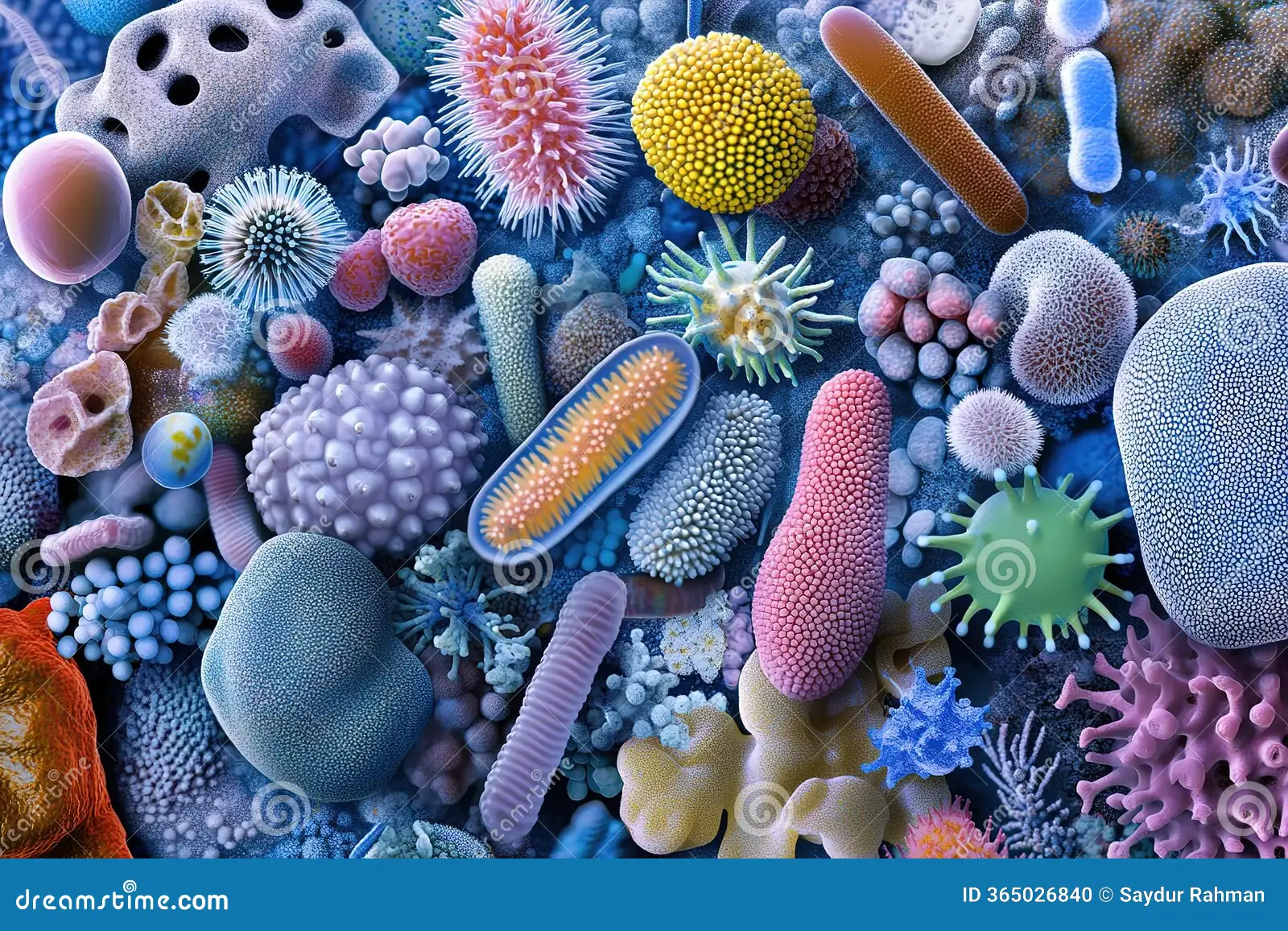
The microbial world is one of the most powerful and least visible components of life on Earth because it is made up of microscopic organisms such as bacteria, viruses, fungi, and archaea that exist everywhere in soil, water, air, plants, animals, and even inside the human body, and although they cannot be seen without advanced microscopes, these organisms control essential biological processes such as decomposition, disease regulation, nutrient cycling, and ecosystem balance, making them the foundation of all life systems on the planet.
🌿 What Is the Microbial World?
The microbial world refers to all microscopic life forms that exist in every environment on Earth, and these organisms are so ancient that they were among the first forms of life to evolve on the planet billions of years ago, and they continue to dominate Earth’s biosphere in terms of numbers, diversity, and ecological influence, even though they are invisible to the human eye.
Microbes exist in extreme environments such as deep oceans, volcanic vents, frozen glaciers, and even radioactive zones, showing their incredible adaptability.
🦠 Bacteria: Earth’s Primary Recyclers
Bacteria are single-celled organisms that play essential roles in breaking down organic matter, cycling nutrients, and supporting life processes, and they exist in almost every ecosystem, including soil, water, air, and living organisms, where they perform both beneficial and harmful functions depending on their type and environment.
🌿 Beneficial Roles of Bacteria
- Decomposition of dead matter
- Nitrogen fixation in soil
- Supporting digestion in animals
- Production of vitamins and enzymes
Bacteria are essential for maintaining soil fertility and ecosystem stability.
🧫 Viruses: The Biological Controllers
Viruses are microscopic infectious agents that cannot reproduce on their own and must enter host cells to replicate, and although they are often associated with disease, viruses also play complex roles in evolution, genetic exchange, and population control in ecosystems.
🌍 Roles of Viruses in Nature
- Regulating bacterial populations
- Driving genetic diversity
- Influencing ecosystem balance
- Affecting evolution of species
Viruses are not only harmful agents but also important drivers of biological change.
🍄 Fungi and Microbial Networks
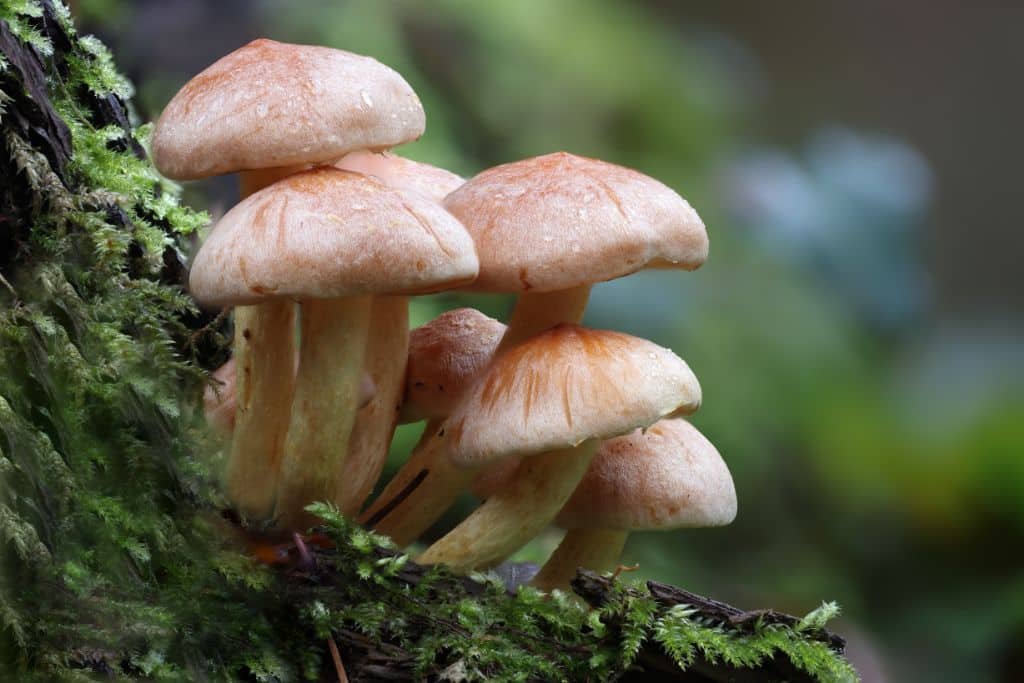
Fungi are also part of the microbial world and play major roles in decomposition and nutrient cycling, while fungal networks in soil connect plants and help transfer nutrients and chemical signals, forming complex underground ecosystems that support plant life and forest stability.
These networks are often referred to as the “hidden internet of nature.”
🌱 Microbes in Soil Ecosystems
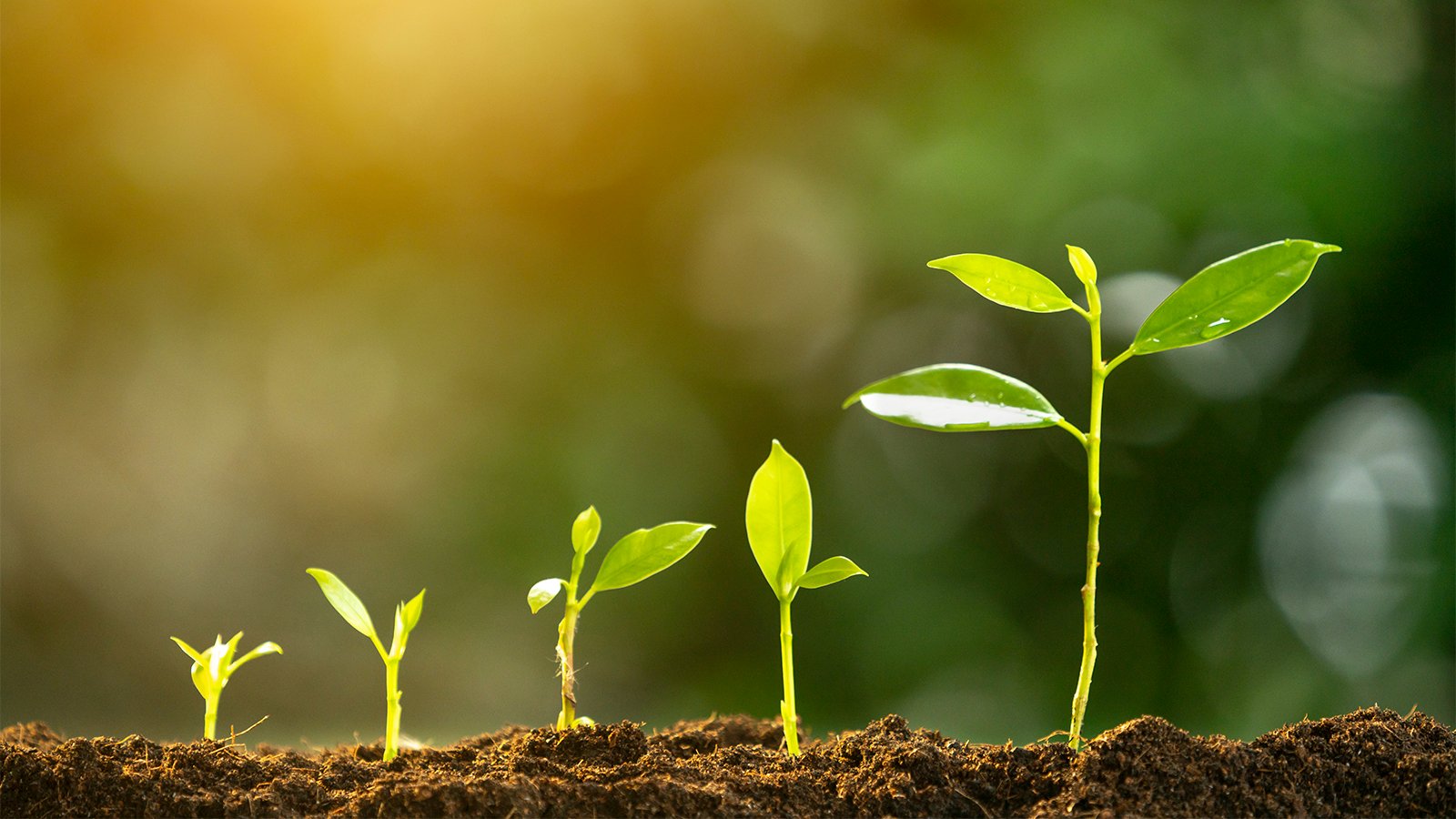
Soil is one of the richest microbial environments on Earth, containing billions of microorganisms in a single gram, and these microbes are responsible for breaking down organic matter, releasing nutrients, and supporting plant growth through chemical interactions and symbiotic relationships.
Without soil microbes, ecosystems would lose fertility and collapse over time.
🧠 Microbes Inside the Human Body
The human body is also home to trillions of microorganisms collectively known as the microbiome, which live in the gut, skin, mouth, and other organs, and these microbes help digest food, produce vitamins, regulate immunity, and protect against harmful pathogens, making them essential for human health and survival.
🌍 Ecological Importance of Microorganisms
Microorganisms regulate nearly every ecological process on Earth, including decomposition, oxygen production, nutrient cycling, and disease control, and they form the base of most food chains in aquatic environments, making them essential for both marine and terrestrial ecosystems.
⚠️ Harmful Microbes and Disease Systems
While many microbes are beneficial, some can cause diseases in plants, animals, and humans, and these harmful microbes spread through air, water, or contact, affecting health systems and ecosystems, but even harmful microbes play roles in natural population control and evolutionary processes.
🧬 Evolutionary Importance of Microbes
Microorganisms are the oldest life forms on Earth and played a key role in shaping the planet’s atmosphere, soil, and early ecosystems, and they are responsible for major evolutionary changes, including the development of oxygen-rich environments that allowed complex life to evolve.
🔬 Scientific Importance and Biotechnology
Microbes are widely used in biotechnology, medicine, agriculture, and industry, where they help produce antibiotics, vaccines, fermented foods, biofuels, and environmental cleanup systems, making them one of the most valuable biological resources in modern science.
🌱 Conclusion
The microbial world is the foundation of all life on Earth because it controls essential processes that sustain ecosystems, support human health, and drive evolution, and although invisible, microbes are the most abundant and influential life forms on the planet, making them critical for understanding biology, ecology, and the future of life science.
❓ FAQ
1. What are microbes?
Microscopic organisms like bacteria, viruses, and fungi.
2. Are all microbes harmful?
No, many are beneficial and essential for life.
3. What is the microbiome?
Microorganisms living inside the human body.
4. Why are microbes important?
They recycle nutrients and support ecosystems.
5. Are viruses alive?
They are considered biological entities that require host cells to reproduce.