
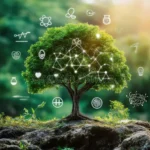


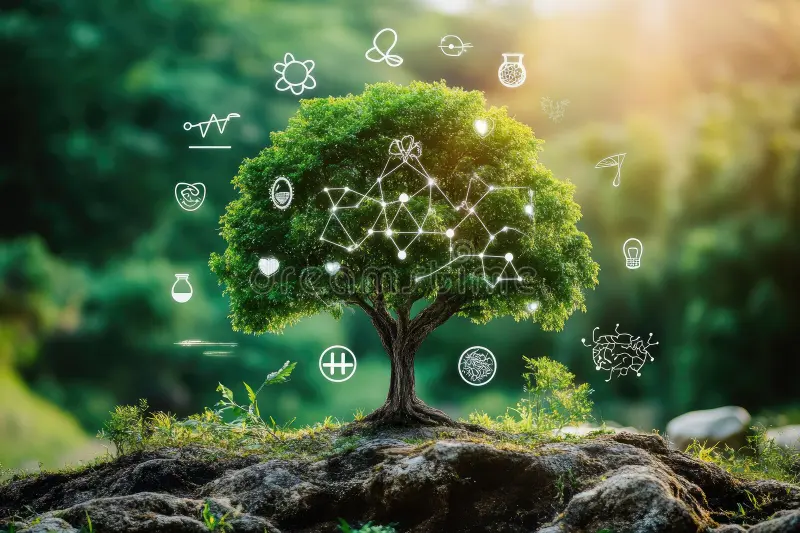
Trees are among the most important living systems on Earth, functioning as biological infrastructure for the planet. They regulate climate, stabilize ecosystems, support biodiversity, and form complex underground and above-ground networks that connect entire forests. Far from being passive organisms, trees actively respond to environmental conditions, communicate chemically, and manage resources across large ecological scales.
Trees also represent one of the longest-lived life forms on Earth, with some species surviving for thousands of years. Their slow growth, structural strength, and energy efficiency make them fundamental to terrestrial life. Without trees, Earth’s atmosphere, soil systems, and climate balance would be dramatically unstable.
This guide explores tree biology, internal structure, forest communication systems, carbon cycling, root networks, ecological roles, and survival strategies in scientific depth.
Structure and Anatomy of Trees
Trees are complex vascular organisms with specialized tissues designed for transport, support, and growth.
Roots
Roots anchor the tree and absorb:
- Water
- Minerals
- Nutrients from soil
They also store carbohydrates and interact with soil microorganisms.
Trunk and Wood Structure
The trunk provides mechanical support and contains several layers:
- Bark (protective outer layer)
- Phloem (transports sugars)
- Xylem (transports water)
Wood is made of hardened xylem cells that allow trees to grow tall and strong.
Leaves
Leaves are the main sites of:
- Photosynthesis
- Gas exchange
They convert sunlight into chemical energy using chlorophyll.
Photosynthesis and Energy Production
Trees generate energy through photosynthesis.
Photosynthesis Process
Trees convert:
- Carbon dioxide + water + sunlight → glucose + oxygen
This process occurs inside chloroplasts in leaf cells.
Oxygen Production
Trees release oxygen as a byproduct, contributing to:
- Atmospheric oxygen balance
- Support for aerobic life
Energy Storage
Excess glucose is stored as:
- Starch
- Structural biomass (wood)
Forest Communication Systems
Trees are not isolated organisms; they communicate through chemical and biological networks.
Chemical Signaling
Trees release volatile organic compounds (VOCs) into the air:
- Warning signals
- Defense activation cues
- Stress indicators
Nearby trees can detect these signals and respond accordingly.
Herbivore Defense Response
When attacked by insects:
- Trees produce bitter or toxic chemicals
- Strengthen leaf tissues
- Reduce palatability
This defense can spread to nearby trees through airborne signals.
Mycorrhizal Networks and Underground Communication
One of the most advanced ecological systems involving trees exists underground.
Fungal Symbiosis
Trees connect to fungi called mycorrhizae:
- Fungi attach to tree roots
- Exchange nutrients and sugars
Wood Wide Web
This underground network allows:
- Nutrient transfer between trees
- Chemical communication
- Resource sharing in forests
Older trees can support younger ones through this system.
Ecological Coordination
Through fungal networks, forests behave like:
- Interconnected biological systems
- Cooperative resource-sharing communities
Carbon Storage and Climate Regulation
Trees play a major role in controlling Earth’s carbon cycle.
Carbon Absorption
Trees absorb carbon dioxide during photosynthesis:
- Carbon is stored in wood and biomass
- Oxygen is released into the atmosphere
Long-Term Carbon Storage
Forests act as carbon sinks:
- Locking carbon for decades or centuries
- Reducing atmospheric greenhouse gases
Climate Stabilization
By regulating CO₂ levels, trees help:
- Control global temperatures
- Stabilize weather patterns
- Reduce climate extremes
Growth Rings and Environmental History
Tree trunks store environmental records.
Tree Rings
Each ring represents one year of growth:
- Wide rings indicate favorable conditions
- Narrow rings indicate stress (drought, cold)
Climate Archives
Tree rings help scientists study:
- Historical climate patterns
- Environmental changes
- Natural disasters
Forest Ecosystems and Biodiversity Support
Trees form the backbone of terrestrial ecosystems.
Habitat Creation
Trees provide:
- Shelter for birds
- Habitat for insects
- Nesting sites for mammals
Food Web Support
Trees support ecosystems by producing:
- Leaves
- Fruits
- Seeds
These feed countless species.
Microhabitats
Tree bark, cavities, and roots support:
- Fungi
- Microorganisms
- Small invertebrates
Root Intelligence and Soil Interaction
Tree roots are highly adaptive biological systems.
Resource Detection
Roots can sense:
- Water gradients
- Nutrient-rich soil zones
- Chemical signals from other plants
Directional Growth
Roots grow strategically toward:
- Water sources
- Nutrient concentrations
Soil Engineering
Roots help:
- Stabilize soil
- Prevent erosion
- Maintain ecosystem structure
Tree Defense Mechanisms
Trees have evolved advanced protection strategies.
Physical Defenses
These include:
- Thick bark
- Thorns
- Tough leaves
Chemical Defenses
Trees produce compounds that:
- Deter insects
- Inhibit microbial growth
- Poison herbivores
Adaptive Defense Response
Trees can increase defense chemicals when under attack, improving survival chances.
Tree Growth and Lifespan Biology
Trees are among the longest-living organisms.
Growth Process
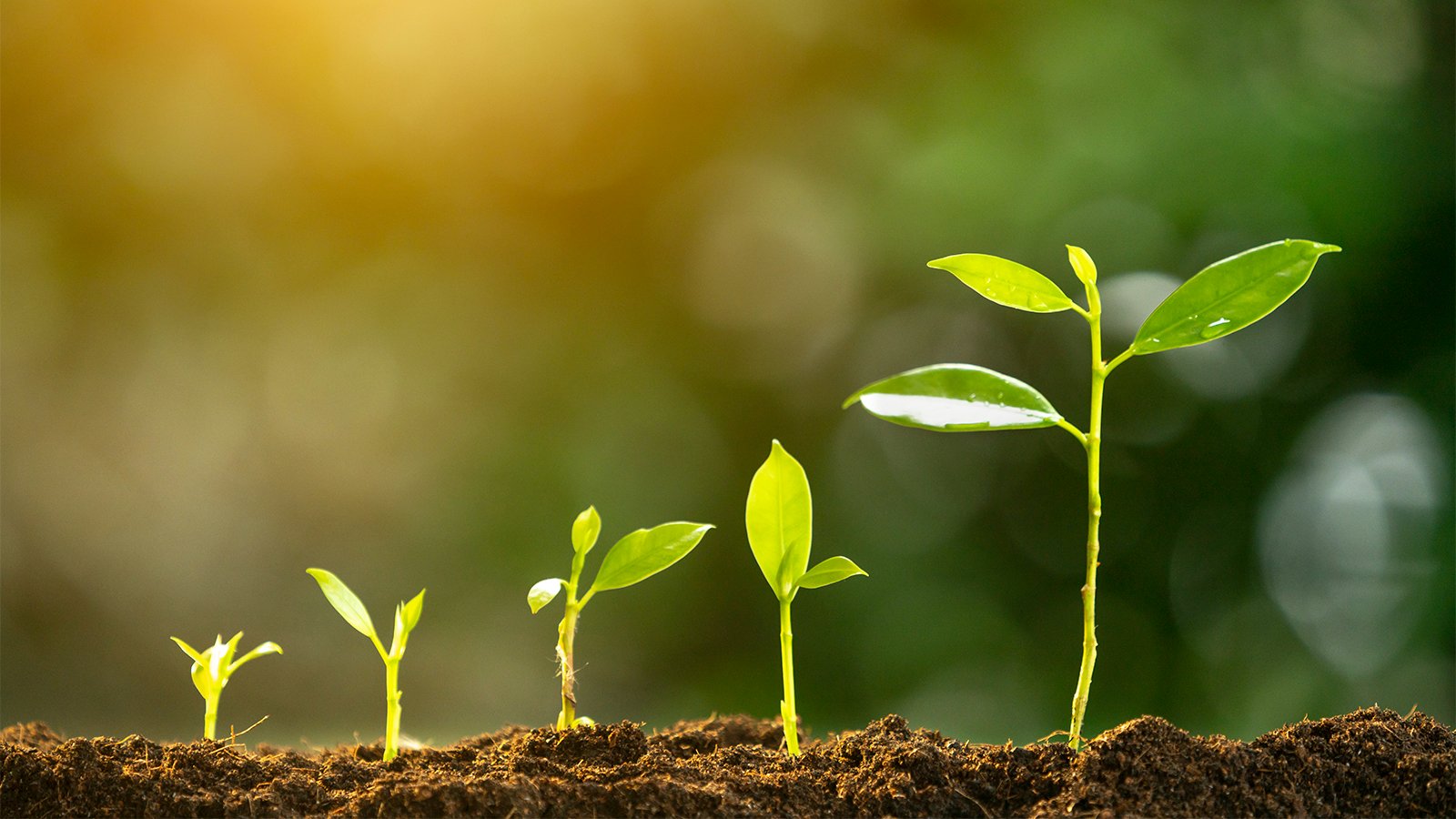
Tree growth occurs through:
- Cell division in cambium layers
- Seasonal growth cycles
Longevity
Some species can live:
- Hundreds to thousands of years
Long lifespan allows:
- Ecosystem stability
- Genetic resilience
Role of Trees in Water Cycle Regulation
Trees influence Earth’s water systems.
Transpiration
Trees release water vapor through leaves:
- Helps form clouds
- Influences rainfall patterns
Groundwater Regulation
Roots absorb and release water, stabilizing:
- Soil moisture
- Water table levels
Climate Moisture Balance
Forests contribute to:
- Regional humidity
- Rainfall distribution
Forest Succession and Ecosystem Development
Forests develop through long-term ecological processes.
Primary Succession
Occurs when life colonizes:
- Bare rock
- Newly formed land
Secondary Succession
Occurs after:
- Fires
- Natural disturbances
Trees are key to ecosystem recovery and stabilization.
Human Impact on Forest Systems
Human activity significantly affects forests.
Deforestation
Causes:
- Habitat loss
- Carbon release
- Biodiversity decline
Fragmentation
Breaking forests into smaller areas:
- Reduces ecosystem connectivity
- Weakens biodiversity networks
Pollution Effects
Air and soil pollution can:
- Damage tree health
- Disrupt growth cycles
Forest Conservation and Restoration
Efforts are underway to protect and restore tree ecosystems.
Reforestation
Planting trees to:
- Restore ecosystems
- Absorb carbon
- Rebuild habitats
Sustainable Forestry
Managed harvesting ensures:
- Long-term forest health
- Economic balance
Conservation Science
Research focuses on:
- Climate resilience
- Species protection
- Ecosystem recovery
Conclusion
Trees are foundational components of Earth’s biological and environmental systems. Through photosynthesis, carbon storage, water regulation, and ecological networking, they sustain life on a planetary scale. Their ability to communicate, share resources, and adapt to environmental conditions reveals a level of biological complexity that goes far beyond simple plant life.
Forests function as interconnected living systems that regulate climate, support biodiversity, and maintain ecological balance. Protecting trees is essential not only for preserving nature but also for maintaining the stability of Earth’s entire life-support system.